Natalia Trayanova, Biomedical Engineering
Dr. Trayanova’s research centers around understanding the normal and pathological electrophysiological and electromechanical behavior of the heart. She is the Murray B. Sachs Professor.
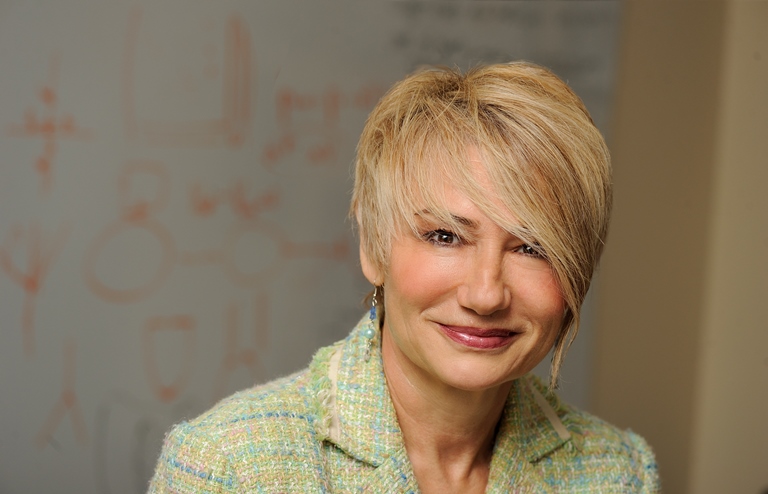
Dr. Trayanova’s research centers around understanding the normal and pathological electrophysiological and electromechanical behavior of the heart. She is the Murray B. Sachs Professor.
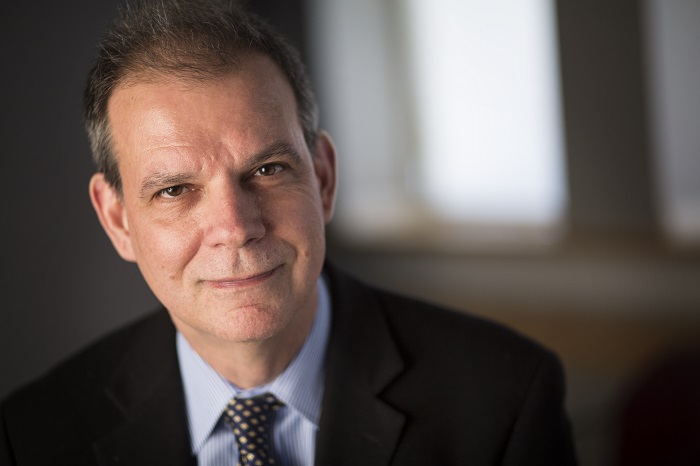
Dr. Casadevall’s groundbreaking work on infectious diseases is widely known. He has received several of the highest honors in medicine and health, and holds the Alfred and Jill Sommer Professorship and Chairmanship.
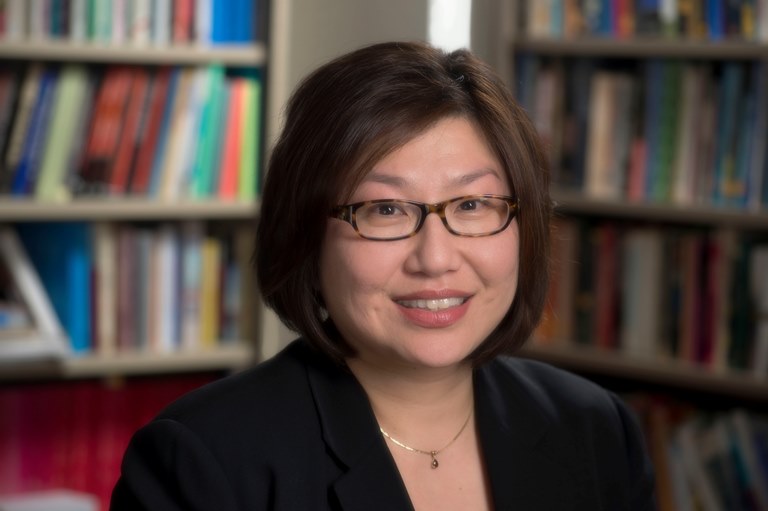
Dr. Chung, the inaugural Charles D. Miller Professor, joined the Hopkins faculty in the Department of Political Science in 2004, where she teaches courses in comparative politics and East Asian politics.
Professor Wang, the R. Clayton Emory Chair in Real Estate and Infrastructure, joined the Carey Business School in 2014 and leads the Edward St. John Real Estate Program.
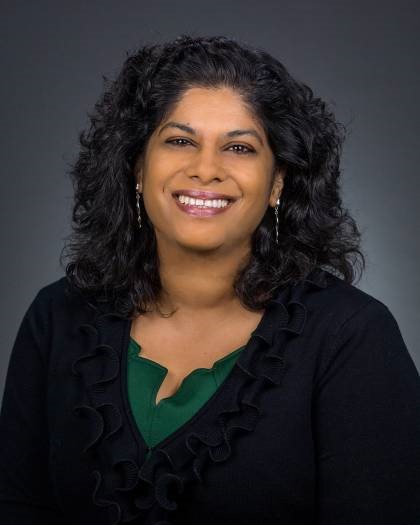
Ashani T. Weeraratna, Ph.D., is the E.V. McCollum Chair of Biochemistry and Molecular Biology at the Bloomberg School of Public Health, a Bloomberg Distinguished Professor, and co-leader of the Cancer Invasion and Metastasis Program at the Johns Hopkins Sidney Kimmel Comprehensive Cancer Center.
Learn More About the Professorship
Watch this Quick Study: “Why are older adults more susceptible to getting cancer?”
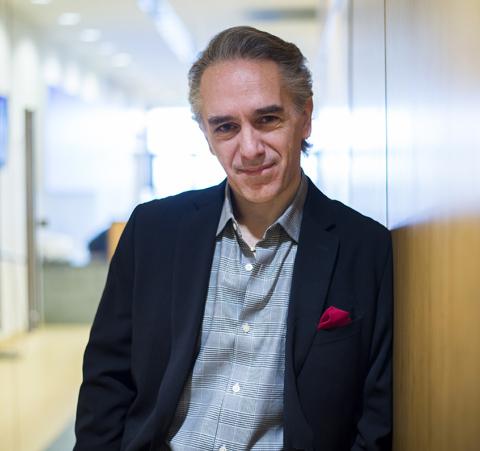
Federico M. Bandi is the inaugural appointee to the James Carey Endowed Professorship in Business at the Johns Hopkins Carey Business School.
Learn More About the Professorship
Watch this Quick Study: “Are cryptocurrencies a good investment for individuals and households?”
WILLIAM STEWART HALSTED is recognized as the most important, innovative, and influential surgeon that the 20th country produced. He came to Baltimore in 1886 with his close friend William H. Welch, the first faculty member of the new Hopkins hospital and, subsequently, the first dean of the School of Medicine.…
Read MoreROBERT GARRETT, president of the Baltimore & Ohio Railroad, died in 1896. The Garrett family has been among Hopkins' most generous supporters for several generations. The ROBERT GARRETT FUND was established in 1936 by the will of MARY FRICK GARRETT JACOBS (pictured below) in memory of her first husband and designated for…
Read MoreWARFIELD M. FIROR, A&S 1917, Med 1921, a professor of surgery at the School of Medicine and acting surgeon-in-chief of the hospital from 1939 to 1941, was best known for his pioneering work on tetanus toxin and its effect on the spinal cord. In recognition of his research on endocrine…
Read MoreMILTON THOMAS EDGERTON, Med 1944, played a pivotal role in the history of plastic surgery at Johns Hopkins. After earning his medical degree at Johns Hopkins and serving as captain in the U.S. Army Medical Corps, Dr. Edgerton returned to Johns Hopkins in 1951, completed a residency in surgery and,…
Read MoreJAMES T. DRESHER SR. was known as a "turn-around artist" who improved the fate of every company he touched. As CEO of York International, a global heating and air-conditioning company in York, Pennsylvania, he took a money-losing operation to a Fortune 500 company that installed systems at several Winter Olympic…
Read MoreEUGENIA B. DARNALL endowed this professorship in memory of her husband, RICHARD BENNETT DARNALL, an attorney from Annapolis, Maryland.
Read MoreJOHN L. CAMERON, Med 1962, the Alfred Blalock Professor of Surgery, Distinguished Service Professor, and the first William Stewart Halsted Professor of Surgery, stepped down in 2003 as surgeon-in-chief and chairman of the Department of Surgery. He has made many contributions to the understanding of the pathophysiology and management of…
Read MoreAs a teenager, ALFRED BLALOCK, Med 1922, decided that he wanted to attend the School of Medicine at Johns Hopkins, where his father had been a patient. After earning a Hopkins medical degree, he trained at Vanderbilt University and then served on its full-time faculty. Dr. Blalock joined the Hopkins…
Read MoreBERTRAM M. BERNHEIM, A&S 1905, a Hopkins surgeon who did pioneering work in blood transfusion and vascular surgery, was an early advocate of patients' rights and of group medical practices. He was instrumental in establishing public ambulance service by the Baltimore City Fire Department. Besides writing many professional articles, Dr.…
Read MoreMr. TIMOTHY M. RING was named Chairman and Chief Executive Officer for C. R. Bard, Inc. as of August 8, 2003. He joined Bard in June 1992 as Corporate Vice President – Human Resources and was promoted to Group Vice President – International in December 1993. In November 1995, he…
Read MoreIn 2006, leadership of the Johns Hopkins University School of Medicine established the Committee on Educational Values and Rewards to examine our educational strengths and challenges. This committee, named for Martin D. Abeloff who set the gold standard for leadership in academic medicine, clinical care, discovery and education, presented a…
Read MoreWILLIAM H. WELCH, appointed by President Daniel Coit Gilman in 1884, was the first full-time member of the medical faculty. Along with John Shaw Billings, Dr. Welch assembled the nucleus of the faculty and was a major architect of the new hospital's structure and practice. For 37 years, Dr. Welch…
Read More